Mastering Car Rental Germany Driving Laws
Car Rental Germany Driving Laws

Mastering Car Rental Germany Driving Laws

Unlock a seamless and compliant German driving experience with our comprehensive guide to essential car rental and road regulations.

Drive Smarter Now

Key Takeaways

  • ✓ An International Driving Permit (IDP) is highly recommended, often required by rental agencies.
  • ✓ Always carry your valid US driver's license, IDP, passport, and rental documents.
  • ✓ Speed limits are strictly enforced; the Autobahn has advisory limits, not always none.
  • ✓ German law mandates specific safety equipment, including a first-aid kit, warning triangle, and reflective vest.

How It Works

1
Secure Your Documentation

Before arriving, obtain an International Driving Permit (IDP) from AAA or AATA. Ensure your US driver's license is valid for the duration of your trip.

2
Understand Rental Requirements

Familiarize yourself with age restrictions, insurance options, and vehicle types offered by German car rental agencies. Book in advance for better rates and availability.

3
Learn German Road Regulations

Study key rules like speed limits, right-of-way, parking restrictions, and Autobahn etiquette. Awareness prevents fines and ensures safety.

4
Prepare for On-Road Essentials

Confirm your rental car includes mandatory safety equipment. Understand emergency procedures and roadside assistance options before you start your journey.

Essential Documentation for Driving a Rental Car in Germany

Close-up image of Portuguese passport and citizen card, essential for travel and identification in the EU. Photo: Marta Branco / Pexels
Navigating the German road network, famed for its efficiency and the legendary Autobahn, requires meticulous preparation, especially concerning documentation. For US citizens, understanding what papers you need to legally operate a rental vehicle is paramount to avoiding fines, delays, or even more significant legal complications. The foundational document is, of course, your valid US state driver's license. This must be current and reflect your entitlement to drive the class of vehicle you intend to rent. However, merely having your US license is often insufficient. German law requires that if your national driver's license is not in German, you must carry either an official German translation of your license or an International Driving Permit (IDP). While some rental agencies might not explicitly demand an IDP at pick-up, police officers during a traffic stop almost certainly will. An IDP serves as a universally recognized translation of your domestic license and is valid for one year from its issue date. It can be easily obtained through AAA or AATA in the United States, usually for a small fee and with minimal fuss. It’s crucial to remember that an IDP is not a standalone document; it must always be presented alongside your valid US driver's license. Beyond your driving credentials, your passport is another non-negotiable item. As a foreign national, your passport serves as your primary identification and proof of legal entry into Germany. You should always carry it with you while driving. Additionally, ensure you have all relevant car rental agreement documents. This includes your rental contract, proof of insurance (which the rental company will provide, but you should understand its scope), and any emergency contact information provided by the rental agency. These documents confirm your legal right to possess and operate the specific vehicle. It's also wise to have a copy of your vehicle registration, which should be present in the car, usually in the glove compartment. German police are diligent about checking these details, and being unable to produce them can lead to significant inconvenience. Lastly, if you've purchased any additional insurance policies independently, carry those documents as well. Understanding the nuances of corporate travel policies can also be crucial for business travelers, ensuring all expenses and liabilities are properly covered. Having a digital backup of all these documents on your phone or in a cloud service, separate from the physical copies, can be a lifesaver in case of loss or theft, though physical copies are always preferred for official checks. This comprehensive approach to documentation ensures peace of mind and compliance with German Car Rental Germany Driving Laws, allowing you to focus on the scenic routes and cultural experiences Germany offers.

Navigating German Road Rules and Autobahn Etiquette

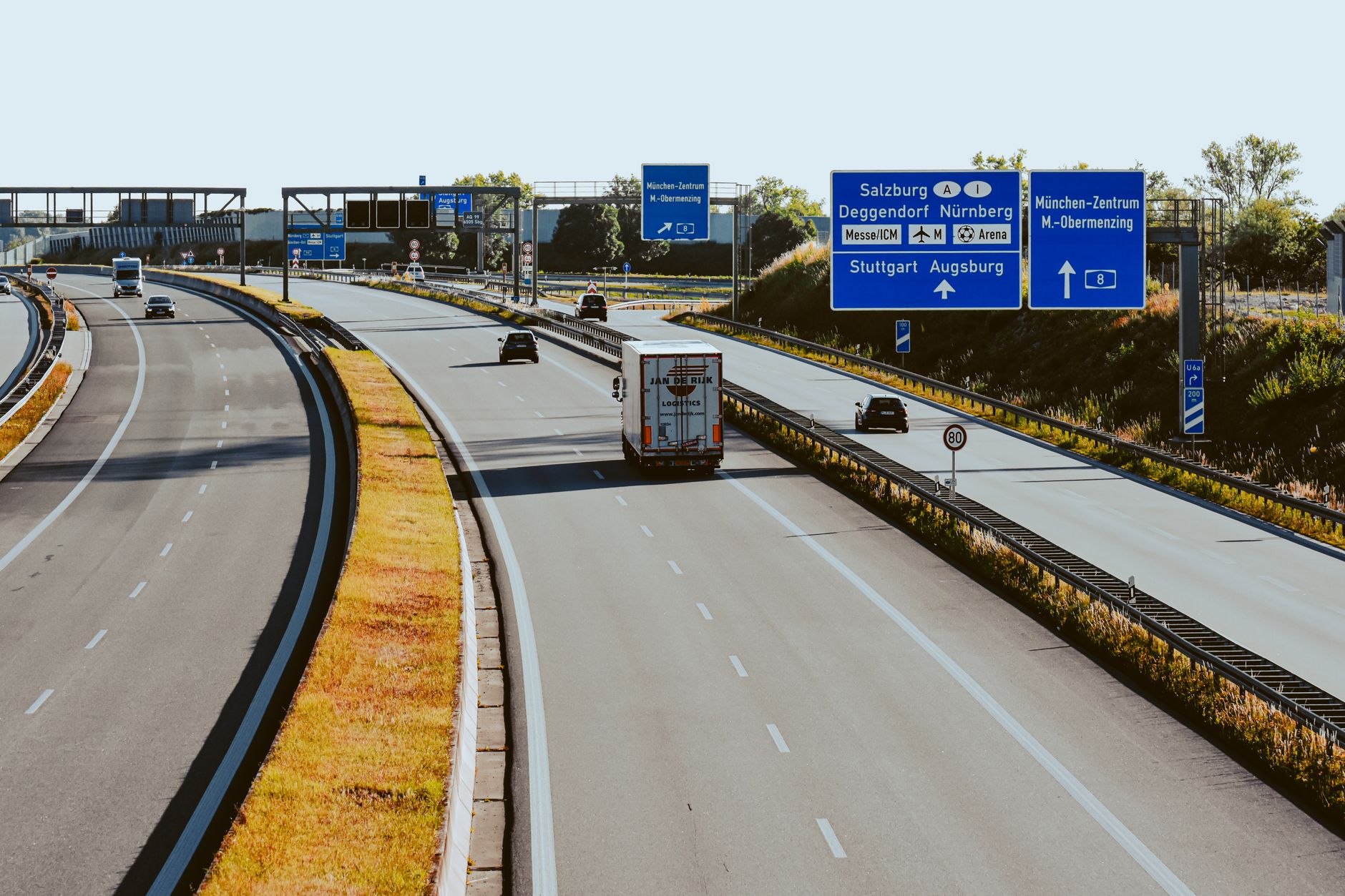
Germany's road network is renowned worldwide, particularly the Autobahn, which often conjures images of unrestricted speed. However, this perception is only partially true, and understanding the nuances of German road rules is essential for safe and legal driving. While sections of the Autobahn do have advisory speed limits, meaning there's no official maximum, many stretches, especially near urban areas, construction zones, or sections with heavy traffic, have clearly posted speed limits. Ignoring these can lead to hefty fines and points on an international driving record, impacting future travel. Even on unrestricted sections, the general recommendation is a speed of 130 km/h (approximately 80 mph). More importantly, speed limits on all other roads – urban, rural, and highways – are strictly enforced. Within built-up areas, the typical speed limit is 50 km/h (31 mph), dropping to 30 km/h (19 mph) in residential zones, while outside towns it's generally 100 km/h (62 mph). Pay close attention to signage, as speed limits can change frequently and without much warning. Beyond speed, right-of-way rules are critical. In Germany, the general rule is 'right before left' at unmarked intersections, meaning vehicles approaching from the right have priority. However, this is superseded by road signs (e.g., 'stop' or 'yield' signs) and traffic lights. Roundabouts operate similarly to many other European countries: vehicles already in the roundabout have the right of way, and you must yield to traffic from the left when entering. Lane discipline on the Autobahn is paramount. The left lane is strictly for passing; once you've overtaken a vehicle, you must move back to the right. Undertaking (passing on the right) is illegal and extremely dangerous. Always maintain a safe following distance – a general rule of thumb is 'half your speed in meters' (e.g., at 100 km/h, maintain 50 meters distance). Flashing your high beams or tailgating to pressure slower drivers is considered aggressive and can result in fines. Additionally, the 'Rettungsgasse' or emergency corridor is a critical rule: in traffic jams on multi-lane roads, drivers must form a lane for emergency vehicles between the leftmost lane and the lane immediately to its right. This is a legal requirement and failure to comply carries significant penalties. German drivers are generally disciplined and expect others to be the same. Signaling your intentions clearly and in advance, whether changing lanes or turning, is standard practice. Understanding these rules is not just about avoiding penalties; it's about contributing to the overall safety and efficiency of Germany's impressive road system.

You may also find Rental Car Germany useful.

Mandatory Safety Equipment and Roadside Assistance for German Car Rentals

When renting a car in Germany, it’s not just about the driver's documents and understanding traffic laws; the vehicle itself must comply with specific safety equipment regulations. German law mandates that all vehicles, including rental cars, carry certain items to ensure safety in case of an emergency or breakdown. Firstly, a warning triangle (Warndreieck) is compulsory. This must be placed a sufficient distance behind your vehicle (usually 100 meters on country roads, 200 meters on Autobahns) if you break down or are involved in an accident, to alert oncoming traffic. Secondly, a first-aid kit (Verbandkasten) is also legally required. This isn't just any first-aid kit; it must comply with specific DIN standards (DIN 13164) and be regularly checked for expiry dates. Rental companies are responsible for ensuring these are present and up-to-date, but it’s always a good idea to quickly verify its presence when you pick up the car. Finally, a reflective safety vest (Warnweste) is mandatory for every person who exits a vehicle on the roadside in an emergency. While only one is legally required per car, it's highly advisable to have one for each occupant, particularly if you're traveling with multiple passengers. These vests must comply with European standard EN 471. Beyond these mandatory items, understanding roadside assistance is crucial. Reputable car rental companies in Germany, such as Sixt, Hertz, or Europcar, typically include basic roadside assistance in their rental agreements. This usually covers breakdowns, flat tires, and minor mechanical issues. Before you drive off, confirm the specific services included and, most importantly, have the emergency contact number for the rental company readily accessible. Many rental companies also partner with major German automobile clubs like ADAC (Allgemeiner Deutscher Automobil-Club) for more extensive roadside services. It’s worth asking if this is the case, as ADAC offers excellent, rapid assistance throughout the country. For added peace of mind, consider purchasing additional roadside assistance coverage offered by the rental agency or your travel insurance provider, especially if you plan extensive travel through rural areas or during adverse weather conditions. This extra coverage can be invaluable for services like towing, jump-starts, or even alternative transportation if your vehicle is out of commission for an extended period. For business travelers, clarifying these points with your corporate travel management team beforehand is essential to ensure compliance and support during your trip. Knowing you have the right equipment and support in place allows you to confidently explore Germany's diverse landscapes, from the Black Forest to the Bavarian Alps, without unnecessary stress about potential roadside incidents.

Common Driving Mistakes and Tips for US Drivers in Germany

For US drivers, adapting to German Car Rental Germany Driving Laws and road etiquette can present a learning curve. Understanding common pitfalls and adopting best practices will significantly enhance your driving experience and help you avoid unnecessary trouble. One of the most frequent mistakes is underestimating the speed and discipline of Autobahn traffic. While there might be no explicit speed limit, aggressive lane changes or slow driving in the left lane can be dangerous and is frowned upon. Always check your mirrors thoroughly before changing lanes, especially to the left. Another common error is misunderstanding the 'right before left' rule at unmarked intersections; if there's no sign, yield to traffic coming from your right. Parking regulations are also a frequent source of confusion. Look for blue signs with a white 'P' for parking, and pay close attention to accompanying symbols indicating time limits, permit requirements, or payment methods. Parking in residential areas without a permit can lead to fines or even towing. Additionally, many German cities utilize 'Park and Ride' (P+R) systems, which are excellent for avoiding city traffic and parking woes. Here are some key tips to ensure a smooth journey: * **Always Carry Required Documents:** US license, IDP, passport, and rental contract – keep them accessible. * **Understand Speed Limits:** Pay meticulous attention to road signs. Don't assume the Autobahn is always unrestricted. * **Prioritize Lane Discipline:** Use the left lane only for passing on multi-lane roads; otherwise, stay right. * **Maintain Safe Following Distances:** German drivers expect ample space. The 'half your speed in meters' rule is a good guideline. * **Be Aware of Environmental Zones:** Many German cities have 'Umweltzonen' (environmental zones) that require a special sticker (Feinstaubplakette) based on your vehicle's emissions. Your rental car should already have this, but confirm with the rental agency if you plan to drive into major city centers. * **Fueling Up:** Germany primarily uses 'Super' (premium unleaded), 'Super E10' (unleaded with up to 10% ethanol), and 'Diesel.' Ensure you know your rental car's fuel type. Avoid 'Super Plus' unless specifically required, as it's more expensive and usually unnecessary. * **Alcohol Limits:** Germany has a strict blood alcohol content (BAC) limit of 0.05%. For new drivers (under two years of experience) and drivers under 21, the limit is 0.00%. It's best to avoid alcohol entirely if you plan to drive. * **Use Navigation:** A GPS system (often built into rental cars or via smartphone apps like Google Maps/Waze) is invaluable for navigating complex German road networks and city streets. By being proactive and informed, US drivers can confidently and safely enjoy the experience of driving a rental car in Germany.

Comparison

FeatureOur GuideGeneral Travel BlogsRental Company FAQsLocal Friend Advice
IDP RequirementMandatory/Highly RecommendedOften mentionedSometimes vagueVaries widely
Mandatory Safety GearDetailed list (triangle, vest, first aid)Basic mentionBriefly statedMay miss items
Autobahn NuancesIn-depth explanation (advisory vs. strict)Focus on 'no limits'Limited detailAnecdotal
Right-of-Way RulesClear explanation ('right before left')SimplifiedNot usually coveredContext-dependent
Environmental ZonesSpecific mention & sticker requirementRarely coveredNot typicallyHit or miss

What Readers Say

"This guide on Car Rental Germany Driving Laws was a lifesaver! I felt fully prepared for my business trip, especially with the detailed info on the IDP and Autobahn etiquette. No surprises at all."

Sarah J. · Austin, TX

"As a corporate traveler, understanding the nuances of driving abroad is critical. This article provided excellent, actionable insights into German road rules and mandatory equipment, making my rental experience seamless."

Mark T. · Chicago, IL

"Thanks to this comprehensive guide, I successfully navigated Germany's roads without a single fine or issue. The section on mandatory safety equipment was particularly helpful, ensuring I checked my rental car thoroughly."

Emily R. · Seattle, WA

"The information about Car Rental Germany Driving Laws was mostly spot-on. I appreciated the emphasis on lane discipline and speed limits, though I wish there was a bit more on electric vehicle charging infrastructure."

David L. · New York, NY

"Even for a seasoned international driver, this resource was invaluable. It covered specific German requirements like the Rettungsgasse, which I hadn't encountered elsewhere, ensuring a safe and compliant journey."

Jessica M. · Miami, FL

Frequently Asked Questions

Is an International Driving Permit (IDP) truly necessary for Car Rental Germany Driving Laws?

Yes, while some rental agencies might not ask for it, German law requires that if your national driver's license is not in German, you must carry either an official German translation of your license or an IDP. It's highly recommended to have one to avoid potential issues with law enforcement.

What are the common age restrictions for renting a car in Germany?

Most car rental companies in Germany require drivers to be at least 21 years old. For drivers under 25, a young driver surcharge often applies. Some premium vehicle categories may also have higher age requirements, sometimes up to 25 or even 30.

How do I deal with speed limits on the Autobahn?

On many sections of the Autobahn, there is no official speed limit, only an advisory limit of 130 km/h (80 mph). However, numerous sections have posted speed limits, especially near cities, construction, or hazardous areas. Always obey posted limits; they are strictly enforced.

What is the typical cost for a basic car rental in Germany?

The cost of a car rental in Germany varies widely based on vehicle type, rental duration, season, and booking lead time. A compact car might range from €30-€60 per day, while larger vehicles or luxury cars will be significantly more. Booking in advance generally secures better rates.

How does German car insurance work for rental vehicles?

Rental cars in Germany typically come with basic third-party liability insurance (Haftpflichtversicherung) by law. It's often recommended to purchase additional coverage like Collision Damage Waiver (CDW) or Loss Damage Waiver (LDW) to reduce your deductible in case of damage or theft. Check your personal auto insurance, credit card benefits, or travel insurance for existing coverage.

Who should prioritize understanding Car Rental Germany Driving Laws?

Anyone planning to drive a rental car in Germany, especially US citizens, should prioritize understanding these laws. This includes business travelers needing reliable transport, tourists exploring the countryside, and expatriates temporarily residing in Germany. Compliance ensures safety, avoids fines, and guarantees a smooth travel experience.

Are there any specific risks or safety concerns when driving in Germany?

While German roads are generally safe and well-maintained, potential risks include high speeds on the Autobahn, strict adherence to traffic rules (misunderstanding can lead to accidents), and navigating unfamiliar city layouts. Always be alert, respect local driving culture, and ensure your rental car is in good condition.

What future trends might impact Car Rental Germany Driving Laws or practices?

Future trends include the increasing prevalence of electric vehicles (EVs) and associated charging infrastructure, stricter environmental zone regulations in more cities, and potential advancements in autonomous driving technology. Familiarity with new vehicle types and evolving urban access rules will become increasingly important.

Armed with a comprehensive understanding of Car Rental Germany Driving Laws, you're now ready to embark on a confident and compliant journey across Germany. Plan your trip with peace of mind, knowing you have the essential knowledge to navigate the roads safely and legally. Start your German adventure today!

Topics: Car Rental Germany Driving Lawsdriving in GermanyGerman road rulesinternational driving permit Germanyautobahn speed limits
Leo List
Brampton weed
Adultwork