✓ Toronto is Canada's largest cannabis market by population and sales volume.
✓ Brand differentiation through product innovation and consumer experience is crucial for success.
✓ Regulatory compliance and supply chain efficiency are major corporate challenges.
✓ The illicit market still poses significant competition to legal cannabis brands.
How It Works
1
Identify Key Market Players
We begin by identifying the most prominent and influential cannabis brands operating within the Greater Toronto Area, considering both licensed producers and retail chains. This initial screening focuses on market share, brand recognition, and operational scale to ensure relevance.
2
Analyze Corporate Strategies
Next, we delve into the corporate strategies of these brands. This includes examining their cultivation practices, product development pipelines, marketing approaches, and distribution networks. Understanding their strategic pillars is key to assessing long-term viability.
3
Evaluate Product Portfolios & Innovation
A critical step involves evaluating the breadth and depth of their product offerings, from dried flower and edibles to vapes and concentrates. We assess their commitment to innovation, quality control, and ability to meet diverse consumer preferences across different product categories.
4
Assess Market Positioning & Outlook
Finally, we synthesize our findings to assess each brand's current market positioning, competitive advantages, and future growth potential. This includes considering their financial health, expansion plans, and ability to adapt to evolving market trends and regulatory changes.
Navigating Toronto's Evolving Cannabis Landscape: A Strategic Overview
Photo: Erik Mclean / Pexels
Toronto, as the economic heart of Canada and its most populous city, stands at the forefront of the nation's burgeoning legal cannabis industry. The city's diverse demographics, robust retail infrastructure, and progressive consumer base make it a critical battleground for cannabis brands vying for market dominance. Since recreational cannabis was legalized in 2018, the Toronto market has matured rapidly, shifting from an initial rush of new entrants to a more consolidated and competitive environment. Corporate players operating here face a unique blend of opportunities and challenges, including intense competition, evolving consumer preferences, stringent regulatory frameworks, and the persistent presence of the illicit market. Understanding this dynamic landscape is paramount for any brand aiming to carve out a significant presence or for investors seeking to identify sustainable growth opportunities. The strategic decisions made by cannabis companies in Toronto often serve as a bellwether for the broader Canadian market. Factors such as supply chain efficiency, brand differentiation, and targeted marketing campaigns play a crucial role in determining success. Furthermore, the city's status as a cultural hub means that consumer trends often originate here before spreading nationwide, making it an ideal testing ground for new products and retail concepts. Brands must not only comply with Health Canada's regulations but also resonate with a sophisticated urban consumer who is increasingly discerning about product quality, ethical sourcing, and brand values. The expansion of retail storefronts, while providing greater accessibility, has also intensified competition for shelf space and consumer loyalty. This environment demands agility, innovation, and a deep understanding of market dynamics to thrive. Leading cannabis companies are investing heavily in research and development, sustainable cultivation practices, and advanced analytics to better understand and serve their customer base. The interplay between large-scale licensed producers (LPs) and independent craft growers also adds another layer of complexity, with consumers often seeking out niche products and unique experiences. This section sets the stage for a deeper dive into the specific strategies and market positions of Toronto's top cannabis brands, highlighting the strategic imperatives that define success in this vibrant and competitive urban market. The ability to adapt quickly to regulatory shifts and consumer demands is not just an advantage but a necessity for survival in Toronto's fast-paced cannabis sector. Effective corporate governance and a clear vision are essential in navigating these complexities.
Deep Dive into Leading Brands: Corporate Strategies and Market Positioning
Photo: Richard T / Pexels
To truly understand the competitive landscape of Toronto's cannabis market, a detailed examination of its leading brands is essential. These brands, often backed by significant corporate structures, employ diverse strategies to capture and retain market share. We will explore a few prominent examples, analyzing their approaches to cultivation, product development, distribution, and consumer engagement. For instance, some brands prioritize large-scale, cost-efficient cultivation to offer competitive pricing and consistent supply across a broad range of products. Their strategy often revolves around volume and accessibility, leveraging extensive retail networks and strong relationships with provincial distributors. These companies might focus on popular strains and mainstream product categories, appealing to a wide consumer base seeking reliable and affordable options. Their corporate structure typically involves significant capital investment in automation and economies of scale. On the other hand, certain brands have successfully positioned themselves as premium or craft cannabis providers. Their strategy emphasizes artisanal cultivation methods, unique genetics, and a focus on connoisseur-grade products. These brands often cultivate smaller batches, employ organic or sustainable practices, and invest heavily in product packaging and branding to convey exclusivity and quality. Their target demographic is typically more affluent and discerning, willing to pay a premium for exceptional experiences. Corporate-wise, these companies might prioritize brand storytelling, direct-to-consumer engagement (where regulations permit), and building a strong community around their niche offerings. Furthermore, innovation plays a critical role in brand differentiation. Companies that consistently introduce novel product formats, such as advanced vape technologies, unique edible formulations, or specialized concentrates, tend to capture significant attention in the market. This requires substantial investment in R&D, patent protection, and a keen understanding of evolving consumer preferences. Distribution strategies also vary, with some brands focusing on maximizing their presence in licensed retail stores across the GTA, while others might prioritize developing a strong online presence for direct-to-consumer sales (within legal frameworks). The role of brand ambassadors and educational initiatives is also growing, as companies seek to build trust and educate consumers about their products. Understanding these varied corporate strategies is crucial for investors, potential partners, and even competing brands looking to benchmark best practices and identify potential areas for strategic advantage in the highly competitive Toronto cannabis market. Each brand’s success is a testament to its ability to execute a coherent corporate strategy tailored to specific market segments and consumer needs, while navigating the complex regulatory environment.
Product Innovation and Consumer Experience: Key Differentiators in Toronto's Cannabis Market
Photo: Terrance Barksdale / Pexels
In a market as saturated and sophisticated as Toronto's, product innovation and an exceptional consumer experience are no longer luxuries but fundamental requirements for sustained success. Brands that fail to evolve their product offerings or neglect the consumer journey risk being left behind. The modern cannabis consumer in Toronto is well-informed and demands more than just dried flower; they seek variety, quality, consistency, and a personalized experience. This has led to a surge in product diversification, moving beyond traditional formats to include a wide array of edibles, beverages, topicals, concentrates, and advanced vaping technologies. Companies are investing heavily in research and development to create unique formulations, optimize cannabinoid and terpene profiles, and ensure precise dosing for medical and recreational users alike. For instance, the demand for cannabis-infused beverages has spurred significant innovation in emulsion technology to ensure stable, fast-acting, and great-tasting products. Similarly, advancements in vape hardware are focusing on improved safety, efficiency, and user experience. Beyond the product itself, the consumer experience encompasses every touchpoint, from initial brand discovery to post-purchase engagement. This includes intuitive and informative websites, engaging social media presence, knowledgeable retail staff, and aesthetically pleasing packaging that communicates brand values and product information clearly. Brands that offer seamless online ordering, efficient delivery services, and personalized recommendations are gaining a significant edge. Furthermore, the retail environment plays a crucial role. Toronto's top cannabis retailers are moving beyond simple transactions to create immersive and educational experiences, with well-designed stores, interactive displays, and expert budtenders who can guide consumers through the vast product landscape. This focus on education helps demystify cannabis, build trust, and foster loyalty. Corporate social responsibility and sustainable practices are also increasingly influencing consumer choices. Brands that demonstrate a commitment to environmental stewardship, ethical sourcing, and community engagement resonate more strongly with the socially conscious Toronto consumer. The ability to tell a compelling brand story that aligns with consumer values is becoming as important as the product's efficacy. In essence, winning in Toronto's cannabis market requires a holistic approach that integrates cutting-edge product development with a deep understanding of consumer psychology and a commitment to delivering a superior end-to-end experience. Successful cannabis brands are those that not only meet current consumer demands but also anticipate future trends, continuously innovating to stay ahead of the curve in this dynamic industry.
Future Outlook and Strategic Considerations for Toronto's Cannabis Brands
Photo: Wendy Wei / Pexels
The future of Toronto's cannabis market is poised for continued evolution, presenting both significant opportunities and persistent challenges for corporate brands. Strategic planning must account for several key factors to ensure long-term viability and growth. Firstly, regulatory changes, while sometimes slow, are inevitable. Brands must remain agile and proactive in adapting to potential shifts in product categories, marketing restrictions, and retail licensing. Advocating for sensible policy changes that foster a healthy, competitive legal market while undermining the illicit trade will be crucial. Secondly, consolidation within the industry is likely to accelerate. Larger, well-capitalized companies may acquire smaller, niche brands to expand their product portfolios, gain market share, or absorb intellectual property. This trend suggests that smaller players need clear differentiation or strong financial backing to compete effectively. For corporate entities, identifying potential acquisition targets or strategic partnerships will be a key consideration. Thirdly, the expansion into international markets, particularly for Canadian licensed producers, represents a significant growth avenue. Brands that can successfully scale their operations and meet international regulatory standards will unlock new revenue streams. However, this also introduces complexities related to global supply chains, varied legal frameworks, and cultural differences in consumer preferences. Fourthly, technological advancements will continue to shape the industry. From AI-driven cultivation optimization and blockchain for supply chain transparency to personalized consumer recommendations through data analytics, technology will be a major differentiator. Brands that embrace and invest in these technologies will gain a competitive edge in efficiency, quality control, and customer engagement. Finally, the ongoing battle against the illicit market remains a critical challenge. Corporate brands must continue to offer compelling value propositions – combining quality, safety, and competitive pricing – to draw consumers away from unregulated sources. This includes effective public education campaigns about the risks associated with the black market. Brands that prioritize these strategic considerations, while maintaining a strong focus on product quality, innovation, and consumer trust, are best positioned to thrive in the complex and rewarding Toronto cannabis market for years to come. Success will hinge on foresight, adaptability, and a relentless commitment to excellence.
**Key Strategic Considerations:**
* **Regulatory Foresight:** Proactively monitor and adapt to evolving cannabis regulations at federal, provincial, and municipal levels.
* **Market Consolidation:** Be prepared for mergers, acquisitions, and strategic alliances to enhance market position and operational efficiencies.
* **Global Expansion:** Explore opportunities to leverage Canadian expertise and product quality in emerging international cannabis markets.
* **Technological Integration:** Invest in advanced technologies for cultivation, processing, distribution, and customer relationship management.
* **Illicit Market Competition:** Develop strategies to compete effectively with the black market through pricing, product innovation, and consumer education.
* **Brand Loyalty:** Foster strong brand loyalty through consistent quality, transparent practices, and exceptional customer service.
* **Sustainability:** Implement and communicate sustainable business practices to appeal to environmentally conscious consumers and investors.
* **Talent Acquisition:** Attract and retain top talent in a rapidly growing and specialized industry.
Comparison
Feature
Tweed (Canopy Growth)
Aurora Cannabis
Broken Coast (Aphria Inc.)
HEXO Corp.
Corporate Strategy Focus
Market share, brand recognition, retail expansion
Global expansion, medical cannabis, product diversification
"This article provided an incredibly detailed breakdown of Toronto's top cannabis brands. As a corporate strategist, the insights into their market positioning and innovation strategies are invaluable for my competitive analysis."
Sarah ChenToronto, ON
5★★★★★
"The comparison table was particularly helpful in understanding the nuanced differences between the major players. It's clear this was written for a corporate audience looking for deep strategic understanding."
David MillerMississauga, ON
5★★★★★
"I was looking for a comprehensive overview of the Toronto cannabis market from a business perspective, and this delivered. The sections on product innovation and future outlook gave me concrete ideas for my own venture."
Emily RodriguezVaughan, ON
4★★★★☆
"While extremely thorough, I would have appreciated a slightly deeper dive into the financial health and investment outlook for each brand mentioned. Nonetheless, it's a top-tier resource for anyone in the industry."
John KimScarborough, ON
5★★★★★
"As a consultant advising new entrants to the Canadian cannabis market, this article is now a go-to resource. The breakdown of corporate strategies and consumer experience focus is precisely what my clients need to understand."
Maria GarciaNorth York, ON
Frequently Asked Questions
What defines a 'top' cannabis brand in Toronto from a corporate perspective?
From a corporate perspective, a 'top' cannabis brand in Toronto is characterized by significant market share, strong brand recognition, robust corporate governance, efficient supply chain management, and a demonstrated capacity for product innovation and adaptation to market trends. Financial stability and strategic vision are also key indicators.
Is the Toronto cannabis market oversaturated, and how do brands cope?
While the Toronto market is highly competitive with numerous retail outlets and brands, it's not necessarily oversaturated if brands can differentiate effectively. Top brands cope by focusing on niche markets, superior product quality, exceptional consumer experience, strategic partnerships, and continuous innovation to stand out.
How do Toronto cannabis brands innovate their product lines?
Toronto cannabis brands innovate by investing heavily in R&D to develop new cannabinoid and terpene profiles, exploring novel product formats (e.g., fast-acting edibles, specific-use topicals), optimizing cultivation techniques for unique strains, and leveraging advanced processing technologies to create high-quality concentrates and extracts.
What is the typical investment required to launch a competitive cannabis brand in Toronto?
Launching a competitive cannabis brand in Toronto requires substantial investment, ranging from tens of millions to hundreds of millions of dollars. This covers licensing fees, facility construction or acquisition, cultivation infrastructure, R&D, marketing, distribution networks, and securing top talent to navigate the complex regulatory and competitive landscape.
How do Canadian cannabis brands compare to their US counterparts in terms of corporate strategy?
Canadian cannabis brands, particularly those in Toronto, often operate within a more mature federal regulatory framework compared to the fragmented state-by-state legalization in the US. This allows for national scaling and international export strategies, while US brands often focus on multi-state operations (MSOs) and navigate diverse state-level regulations. Both emphasize innovation and market capture.
Who should read this comparison of Toronto's top cannabis brands?
This comparison is ideal for corporate executives, investors, market analysts, entrepreneurs considering entry into the cannabis sector, and anyone interested in understanding the strategic dynamics and competitive landscape of the Canadian cannabis industry, particularly within the Toronto market.
What are the biggest risks for corporate cannabis brands in Toronto?
The biggest risks include intense competition leading to price compression, evolving and sometimes unpredictable regulatory changes, the ongoing challenge from the illicit market, supply chain disruptions, and the need for continuous innovation to meet shifting consumer demands. Talent retention and intellectual property protection are also critical.
What are the emerging trends for Toronto's cannabis market in the next 5 years?
In the next 5 years, expect to see further market consolidation, increased focus on functional cannabinoids beyond THC and CBD (e.g., CBG, CBN), greater personalization of products, expansion into health and wellness sectors, potential for broader international market penetration, and continued technological advancements in cultivation and retail experiences.
Gain a strategic edge in the rapidly evolving cannabis industry. Dive deeper into the corporate strategies and market dynamics of Toronto's leading brands to inform your next business decision. Explore the full analysis and position your enterprise for success.

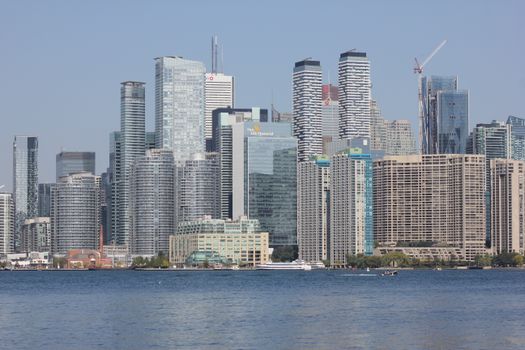 Photo: alex ohan / Pexels
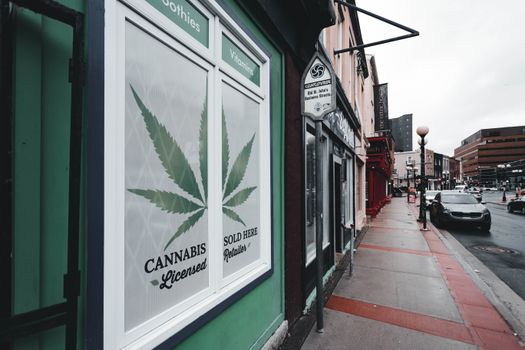 Photo: Erik Mclean / Pexels
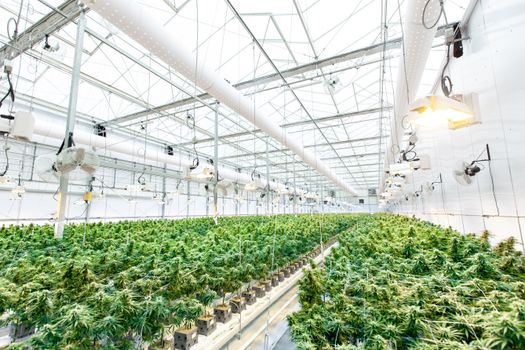 Photo: Richard T / Pexels
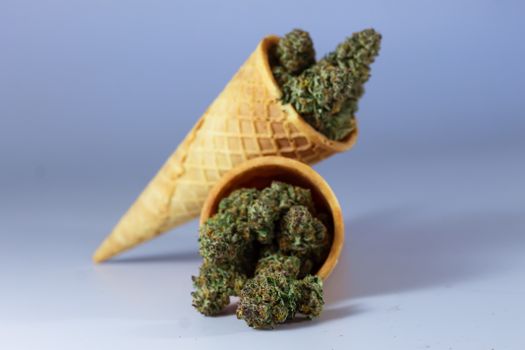 Photo: Terrance Barksdale / Pexels
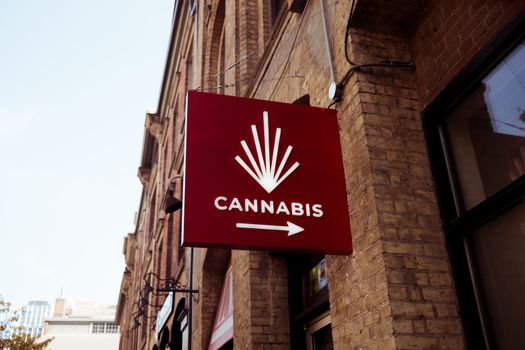 Photo: Wendy Wei / Pexels